
 DeepTalent · Sport Talent Identification
See every child’s strengths.
A four-step screening: parental consent, interests, tests, result. The app finds the 3 of 27 sports that best fit each child’s body, movement and wishes.
- 27
- sports matched
- 6–18
- years of age
- 8–13
- movements, by age
- 2
- screenings / year
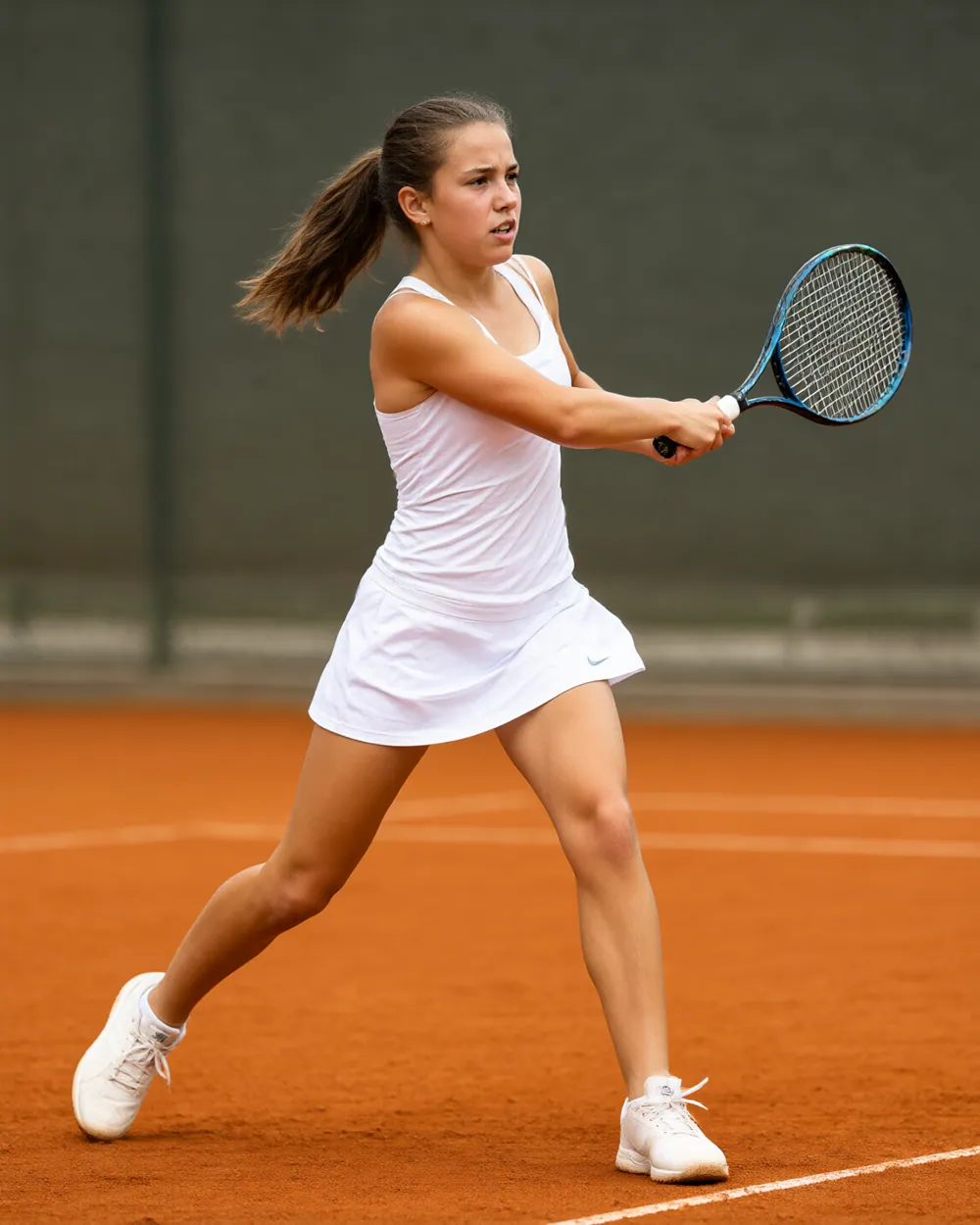 TennisFit score81
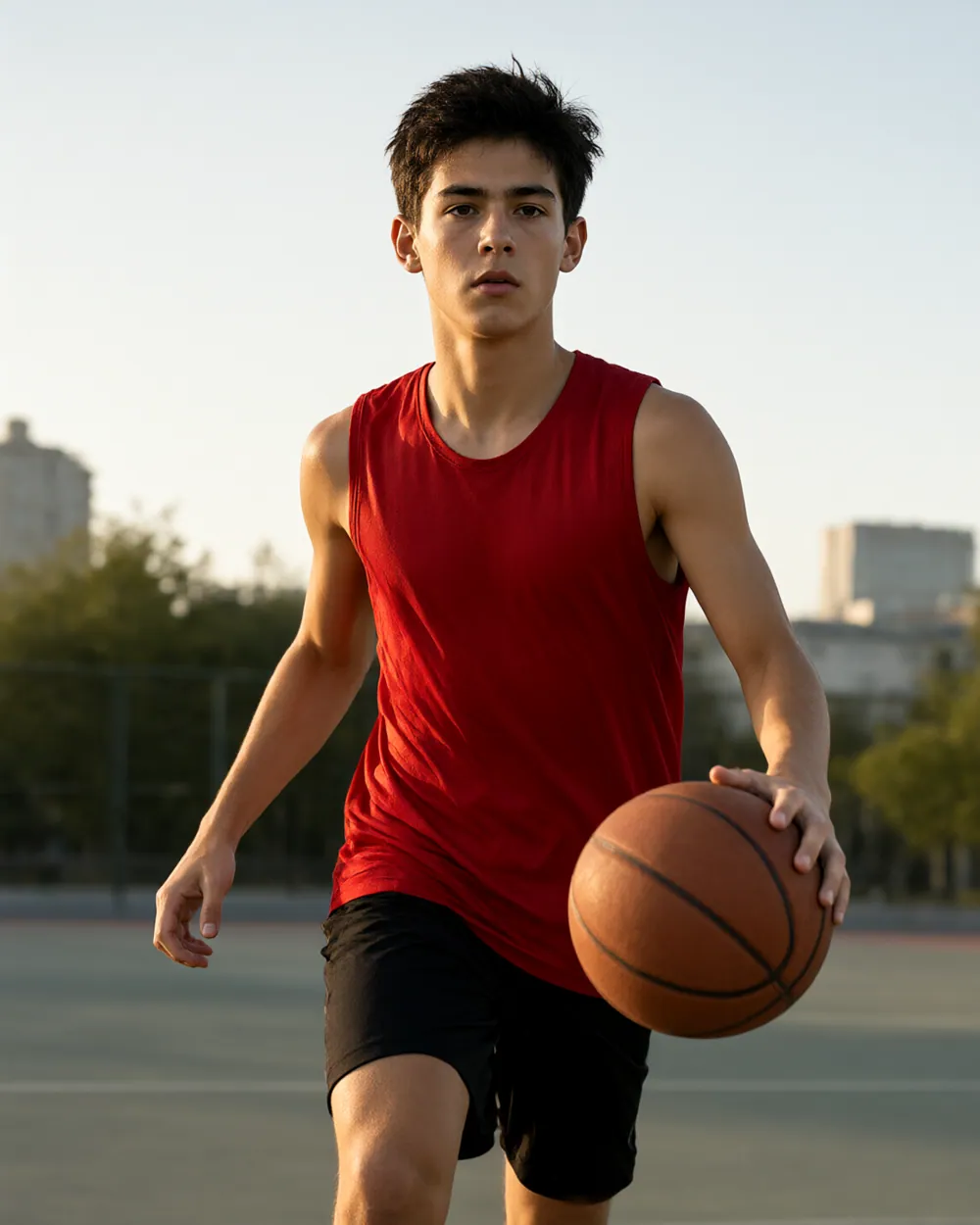 BasketballFit score79
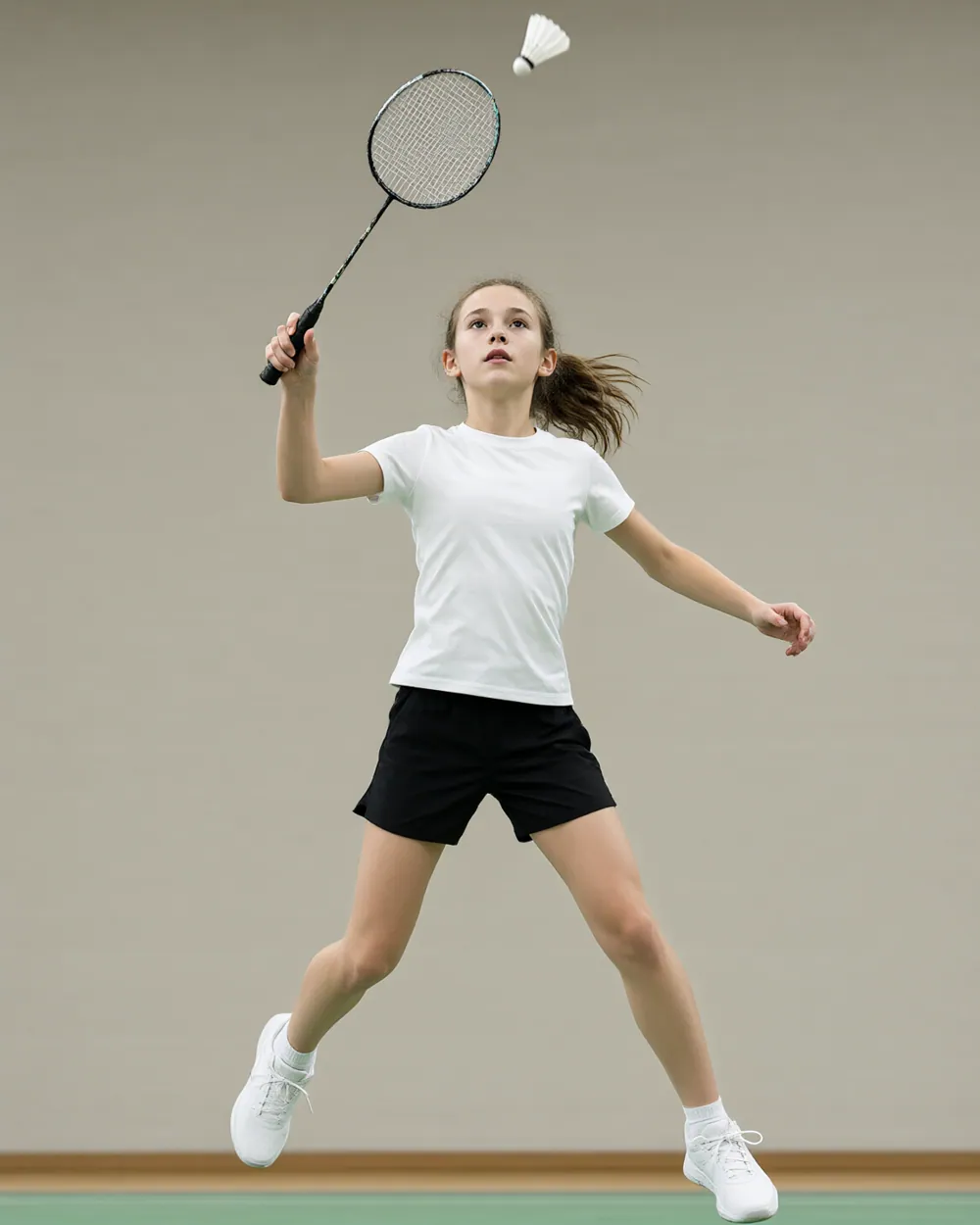 BadmintonFit score78
How matching works
AI-assisted sport matching.
A child’s profile is compared with what each of the 27 sports needs; AI ranks the 3 best-fitting sports with fit scores. Coach, parent and child read the result together.
- Guardian consent
- Interests
- Tests
1Screening
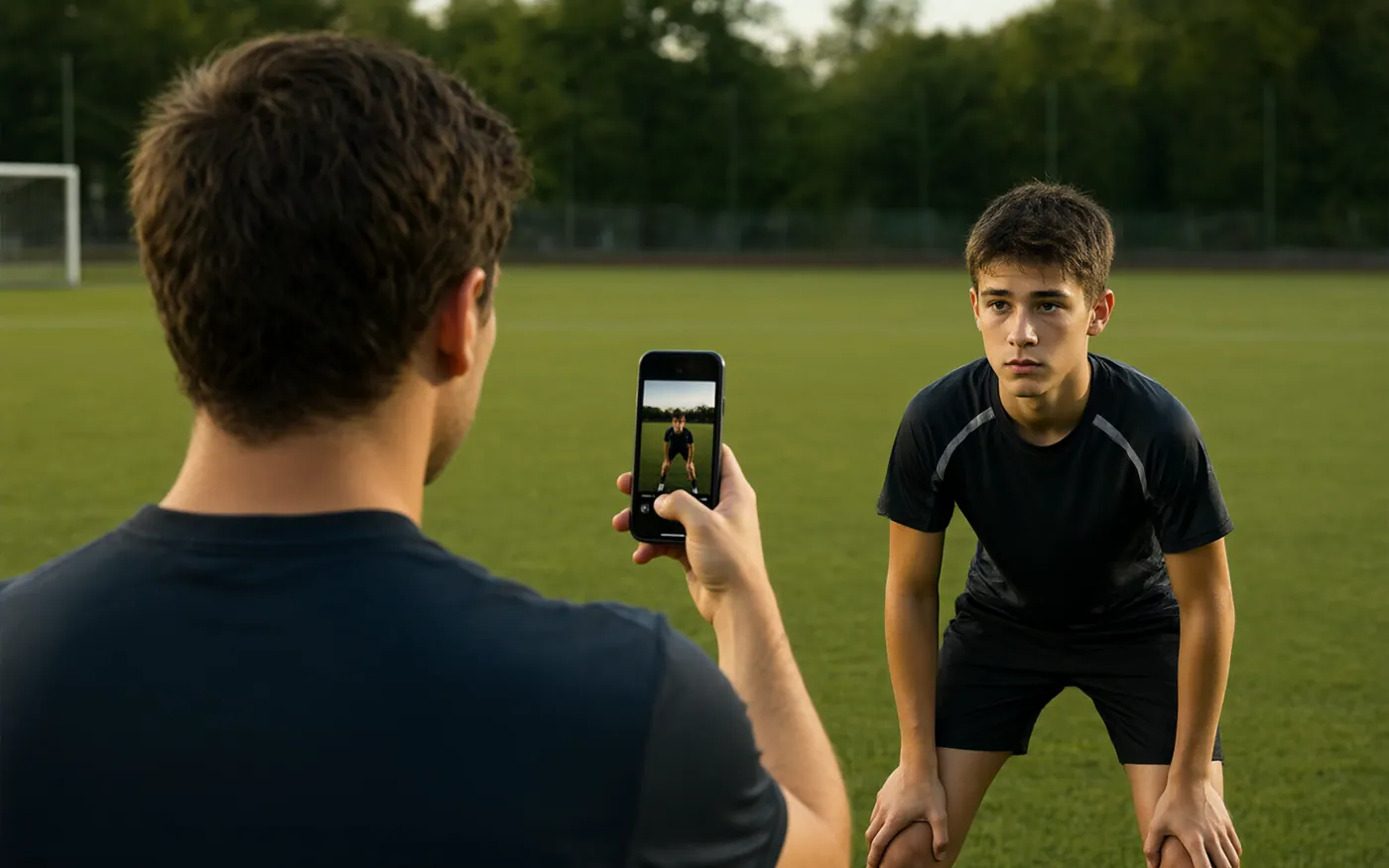
A guardian gives consent, the child answers interest questions, and tests are done with a coach. All three feed one child profile.
Sample profile · Deniz (14)
SpeedJumpAgilityEnduranceHand-eyeReaction- Child’s profile
- What the sport needs
2Matching
The child’s profile is compared with the skills each of the 27 sports needs. Skills are weighted by what each sport demands.
The 3 best-fitting sports
- Tennis81
- Basketball79
- Badminton78
3Result
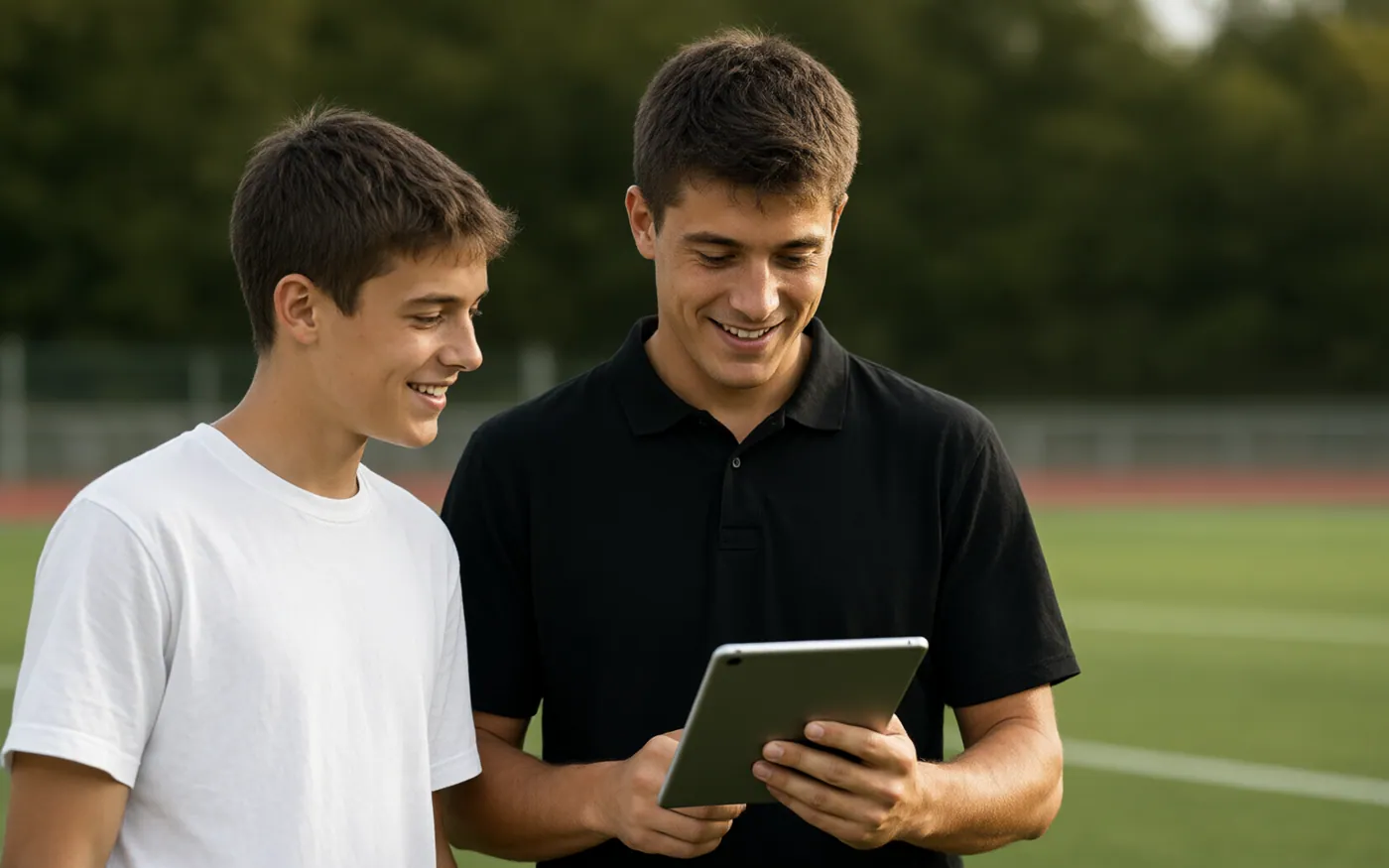
The 3 best-fitting sports are ranked with fit scores. Coach, parent and child see the same report.
Sample view: demo athlete Deniz (14). The chart shows how a match is read; it is not a real measurement. The suggestion is reviewed together with the coach and parent.
Pick a sport, see what the report shows.
DeepTalent compares every child with 27 sports. Pick one to see the capacities it asks for, its key tests and the fit information. The three best fits in the example are marked.
In the DeepTalent report for this sport
Tennis
Capacities that matter most
- 1 · Agility
- 2 · Sprint
- 3 · Reactive strength
- 4 · Strength
Tennis and you
Target for tennisDeniz
Key tests measured
- Agility5-10-5 agility
- Hand–eyeWall ball toss
- ReactionOn-screen reaction
Example · demo athlete Deniz (14)81 / 100Fit score
Skill weights and tests come from the talent identification algorithm; the sample result is from demo athlete Deniz’s screening.
Parent, interests, tests. Then a shared review.
Every child aged 6–18 is assessed in four steps; at ages 6–8, the 2 best-fitting sport families are identified.
1
Parent
≈ 2 minConsent and parents’ height. Without consent, no recommendation is shown and the screening isn’t saved.
2
Interests
≈ 4–8 min27 sport cards and 8 quick questions; sport history from age 13. At ages 6–8, 10 picture questions.
3
Tests
coachLite: 8 movements by age; unmeasured skills are estimated. Full: 13 movements plus anthropometry.
4
Result
togetherCoach, parent and child review it together; the talent identification report is shared as a PDF.
StarFits and wants it
Hidden talentFits but doesn’t want it
PassionWants it a lot, lower fit
Not suggestedBoth low
9:41
Physical fit
Each test is converted to a percentile against age and sex norms; skills are weighted by what each sport needs. Height, arm span and biological maturity are also factored in.
Interests
Answers on the sport cards count for 70%, and how the quick questions match that sport for 30%.
Final score
The physical share grows with age: 50% at 6–8, 60% at 9–12, 70% at 13–18.
Critical skill
If a skill that is crucial for a sport falls in the bottom 30% of peers, that sport can’t come out as Star or Hidden talent.
A quick screening or the full battery.
Lite is fast for school and club screenings; it estimates the skills it doesn’t measure from those it does. Full measures every movement for the age. You can move from Lite to Full within 90 days, measuring only the missing movements.
TALENT LITE · 8 MOVEMENTS
Quick screening
Two sets by age. Unmeasured skills are estimated and shown as dashed bars in the report.
Ages 6–820 m sprintStanding long jump5-10-5 agilitySit-and-reachFlamingo balanceSideways jumpingWall ball tossReaction
Ages 9–18Vertical jump (CMJ)5-10-5 agility20 m shuttle runMedicine ballSit-and-reachFlamingo balanceWall ball tossReaction
TALENT FULL · 8–13 MOVEMENTS BY AGE + ANTHROPOMETRY
Full battery
Every movement for the age is measured; no estimates. Height, weight, sitting height and arm span account for biological maturity.
Ages 6–7 · 8 movements20 m sprintStanding long jump5-10-5 agilitySit-and-reachFlamingo balanceSideways jumpingWall ball tossReaction
Age 8 · 10 movementsAll eight from ages 6–7Vertical jump (CMJ)20 m shuttle run
Ages 9–18 · 13 movements20 m sprintVertical jump (CMJ)Standing long jump5-10-5 agility30 s sit-upsHandgrip strengthSit-and-reachFlamingo balance20 m shuttle runSideways jumpingWall ball tossReactionMedicine ball
Anthropometry: at every age
A report read together with parents.
The screening result in a single 6-page report: recommended sports, the map of 27 sports, skills and a plan. Parent and child also see the same result in the app.
01
AssessmentProfile, growth and standout skills.
02
Recommended sportsThe 3 best-fitting sports and a fit table; borderline warning.
03
Map of 27 sportsPhysical fit and interest on one map.
04
Skill profileSkill radar, strengths, areas to grow.
05
Screening testsWhat each test measures; the value and where it stands among peers.
06
Development planNext targets, trial sessions, next screening.
At school, at the club, in the municipality, at home.
State and private schools
Lite screening for the whole school, Full and DeepAthletic for sports students. Test day runs in stations from the web panel.
2 screenings a yearClub youth academies
At trials and at the start of the season; in the recommended sport, the athlete moves on to athletic tests.
30% off with DeepAthleticMunicipalities
Bulk screening and report cards for sports schools; one setup for thousands of children.
Volume licenceParent
Screening for families joining the school’s test day, or for a single child; result and report in the app.
Sibling discountTennisTable tennisBadmintonFootballVolleyballBasketballHandballWater poloAthletics · sprints and jumpsAthletics · throwsWeightliftingAthletics · middle and long distanceCyclingTriathlonTennisTable tennisBadmintonFootballVolleyballBasketballHandballWater poloAthletics · sprints and jumpsAthletics · throwsWeightliftingAthletics · middle and long distanceCyclingTriathlon
SwimmingRowingCanoeGymnastics · artistic and trampolineGymnastics · rhythmicSport climbingWrestlingJudoTaekwondoBoxingFencingArcheryShootingSwimmingRowingCanoeGymnastics · artistic and trampolineGymnastics · rhythmicSport climbingWrestlingJudoTaekwondoBoxingFencingArcheryShooting
Straight from the field. In their own videos.
Ops Gym: tracking athletes in the gym
BigBang Gym: measure first, then plan
EFA: a young basketball player takes the jump test
Posture analysis: front, side and back
Anytime Life: jump, speed, balance
26 tests with just a tablet or phone
Sancaklı Spor: speed, agility, jump
Jump and sprint testing in the gym
Altıner SK: speed and power screening
Sprint and jump testing in volleyball
A new season at Profit Sports Academy
A yearly athletic testing programme at school
Güngören SK: the results speak
ÇABA Academy: measuring development
Test day for volleyball players
Kapıdağ FK: pre-season testing
Posture and ROM tests for an open-water swimmer
GymUp: moments from test day
Gladiator: training starts with data
Gladiator Women: posture testing in the gym
Measure, analyse, train with purpose
Data-driven training in Manavgat
Performance grows with data
Refleks SK: jump tests
Test day for a young footballer
SJ and CMJ: testing explosive power
About talent screening.
Why is parental consent required?
A child’s measurements and results are personal data. Until a parent gives consent, no recommendation is shown and the screening isn’t saved; consent is collected in the app or by email.
How long does a screening take?
The parent step takes about 2 minutes, interests 4–8 minutes. Tests are done in stations at the school or club, with a coach.
Is Lite enough?
For broad screening, yes: 8 movements are measured and the rest are estimated. For a child heading into a recommended sport, Full is recommended; moving from Lite to Full within 90 days measures only the missing movements.
Who sees the result?
The coach, the parent and the child. The report is shared as a PDF; the family also sees the same result in the app.